
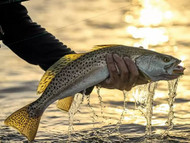
How to Catch Speckled Trout in Pamlico Sound: The Complete Hatteras Island Fishing Guide
Posted by Heather James on 20th Oct 2026
How to Catch Speckled Trout in Pamlico Sound: The Complete Hatteras Island Fishing Guide
Shore Fishing, Wade Fishing, Kayak Fishing, Boat Fishing, Seasonal Trout Patterns, Best Lures, Fishing Gear & Local Charters
By Frank & Fran’s Bait & Tackle | Avon, North Carolina
If you have ever felt that sharp tap on your fishing line, set the hook, and watched a beautiful speckled trout shake its head at the surface, you already understand why trout fishing has such a loyal following on the Outer Banks.
Speckled trout are beautiful fish, aggressive predators, and a favorite target for anglers fishing the shallow waters of Pamlico Sound. They're also challenging enough to keep experienced fishermen coming back. One day trout seem willing to eat almost anything. The next day, a slight change in wind direction, water temperature, or bait movement can make them surprisingly difficult to locate.
The good news? You don't need an expensive boat or a lifetime of fishing experience to catch speckled trout on Hatteras Island.
Some excellent trout fishing opportunities are available to anglers willing to walk the soundside shoreline, wade shallow grass flats, paddle a kayak, or explore the sound aboard a small boat.
The key is understanding where trout live, how they move throughout the year, what they eat, and how changing conditions affect their feeding behavior.
At Frank & Fran's Bait & Tackle in Avon, NC, helping anglers understand Hatteras Island fishing is what we do. Since 1988, we've helped generations of visitors and local fishermen prepare for surf, sound, pier, and inshore fishing.
This guide covers everything you need to know about targeting speckled trout in Pamlico Sound—from your first cast to more advanced techniques for finding fish in changing conditions.
1. Meet the Speckled Trout: One of Pamlico Sound's Favorite Gamefish
The speckled trout, scientifically known as Cynoscion nebulosus, is also called the spotted seatrout or simply a "speck."
Despite its name, a speckled trout isn't a true trout. It belongs to the drum family, making it a relative of red drum, black drum, and weakfish.
Speckled trout are easily recognized by their silver bodies, dark spots extending across the upper body and tail, and prominent canine teeth.
Unlike their freshwater namesakes, speckled trout inhabit coastal saltwater and brackish environments.
Why Pamlico Sound Is Such Good Trout Habitat
Pamlico Sound is one of the largest estuarine systems in the United States. Stretching behind North Carolina's Outer Banks, it provides an enormous network of shallow flats, underwater grass beds, channels, creeks, marsh edges, and deeper water.
These different habitats create feeding and shelter opportunities for trout throughout much of the year.
Speckled trout are ambush predators. Rather than constantly chasing prey across open water, they frequently position themselves around underwater structure where currents, wind, and moving water concentrate food.
That structure might be:
-
A submerged grass bed next to a sandy opening
-
A channel running through an otherwise shallow flat
-
The edge of a marsh or creek mouth
-
A drop-off from two feet into five feet of water
-
An area where shrimp and baitfish collect
-
A dock or other permitted fishing structure
Here's one of the most important lessons about trout fishing:
You aren't simply looking for water that contains trout. You're looking for water that gives trout a reason to feed.
Understanding that distinction will help you become a better sound fisherman. One benefit of fishing the sound is that it is peaceful. There is nothing like a calm morning on the water where you can hear the pitter patter of bait fish or see ripples where fishing are tailing or swimming just beneath the surface!
2. What Do Speckled Trout Eat?
Understanding a trout's diet is essential when choosing artificial lures or natural bait.
Pamlico Sound trout feed on a variety of prey, and their preferred food changes with the season, available forage, and fish size.
Shrimp
Shrimp are an important food source for speckled trout, especially when abundant in shallow grass beds and along marsh edges.
Artificial shrimp imitations can be extremely productive, particularly beneath popping corks.
Live shrimp can also be effective when available and legally obtained.
Small Baitfish
Speckled trout regularly feed on:
-
Finger mullet
-
Small menhaden
-
Silversides and other small baitfish
-
Juvenile fish found around shallow grass and marsh habitat
Paddle-tail swimbaits, jerk shads, and suspending twitchbaits are designed to imitate these food sources.
Crabs and Other Small Prey
Although shrimp and baitfish are central to most trout presentations, trout also consume small crustaceans and other prey.
Does Bait Size Matter?
Absolutely.
Small trout frequently concentrate on small shrimp and baitfish. Larger trout may target larger meals, including sizable mullet and other fish.
That doesn't mean a large lure always catches a large trout, or that trophy fish won't eat small offerings.
It means you should pay attention to the size of the bait naturally present.
Frank & Fran's tip: If you can identify what the fish are eating, try matching the size, shape, and action before worrying too much about your lure's exact color.
A realistic presentation often matters more than having twenty different colors in your tackle box.
3. Understanding Speckled Trout Migration and Seasonal Movements
One of the biggest mistakes fishermen make is assuming speckled trout stay in the same location throughout the year.
They don't.
Speckled trout move in response to changing water temperatures, salinity, bait availability, spawning activity, and seasonal weather patterns.
Some fish remain within estuarine systems for extended periods. Others make broader movements through coastal waters.
Not every trout follows the same migration route or schedule. Not all years are the same. The trout bite has been slow in 2026 and we think that is due to the trout staying in the rivers because the salinity of the open water has been high due to lack of rainfall.
For Pamlico Sound anglers, it is more useful to understand the seasonal movement between shallow feeding areas, creek systems, channels, and deeper water than to assume all trout migrate offshore during winter.
Spring: Warming Water and Increasing Activity
As winter gives way to spring, gradually warming water can encourage trout to become more active.
Fish may begin moving from protected winter habitats toward grass edges, shallow flats, marsh shorelines, and areas where bait is returning.
Early spring fishing can be inconsistent because cold fronts may interrupt warming trends.
On stable days, however, trout can become aggressive.
Spring tactics:
-
Search warming shorelines and adjacent deeper water.
-
Use smaller paddle tails and shrimp imitations.
-
Fish slower in colder water.
-
Concentrate on grass edges and creek mouths.
-
Experiment with suspending twitchbaits.
-
Pay attention to afternoon warming on sunny days.
During the spring spawning period, adult trout can become especially important to the future population. Handling released fish carefully is always a good practice.
Summer: Grass Beds, Bait, and Low-Light Feeding
Summer brings warmer water, abundant bait, and extensive feeding opportunities throughout the sound.
Trout may use grass beds, channels, deeper edges, and areas where water circulation provides favorable conditions.
In very warm weather, shallow water can become uncomfortable during the hottest portions of the day.
This can make dawn, dusk, nighttime, and deeper or better-circulated habitats productive starting points.
Summer tactics:
-
Start around sunrise.
-
Look for active bait near submerged grass.
-
Cast along grass edges and sandy openings.
-
Try topwater plugs early.
-
Use popping corks over shallow grass.
-
Explore deeper channels when shallow fish disappear.
Remember that wind can move water and bait around the sound. A productive shoreline one day may fish very differently the next.
Fall: One of the Most Exciting Times to Target Trout
Fall is often a favorite season for Hatteras Island trout fishermen.
Cooling temperatures can encourage trout to feed actively while baitfish movement creates opportunities for ambush predators.
Mullet and other baitfish may concentrate around channels, marsh edges, and transition areas.
As shallow water cools, trout may become easier to locate around dependable feeding structures.
Fall tactics:
-
Search areas holding finger mullet and other bait.
-
Fish channel edges and grass transitions.
-
Use paddle tails to cover water.
-
Try suspending twitchbaits when fish become selective.
-
Work topwaters during low-light feeding periods.
-
Follow bait activity rather than staying in one location.
A strong fall trout bite can be memorable, but it isn't guaranteed simply because the calendar says October or November.
Water temperature, weather stability, and the condition of the local fish population remain important.
Winter: Creeks, Deep Holes, and Cold-Water Refuge
Winter trout fishing requires a different approach.
As temperatures decline, many trout seek refuge in coastal rivers, creeks, deeper holes, and other protected habitats.
The important consideration is not simply water depth. It's water temperature and how rapidly that temperature changes.
Deeper water may cool more slowly initially, offering temporary protection from a sudden cold front.
But prolonged or extreme cold can eventually affect these areas too.
Winter trout often require slower presentations.
Winter tactics:
-
Focus on suitable deeper holes and nearby transitions.
-
Use small soft plastics and lighter jigheads when conditions permit.
-
Retrieve slowly.
-
Experiment with long pauses.
-
Look for periods of stable or modestly warming weather.
-
Avoid unnecessarily stressing lethargic fish.
And remember: winter weather can dramatically affect the health of the trout population.
4. How Cold Weather Events Affect Pamlico Sound Trout
Cold-stun events deserve special attention because they have a significant impact on North Carolina's spotted seatrout fishery.
Unlike many other coastal fish, speckled trout can remain in estuarine habitats through winter. This leaves them vulnerable when water temperatures fall rapidly or remain extremely cold for extended periods.
What Is a Trout Cold Stun?
A cold stun occurs when water temperatures fall low enough to impair the fish's normal physiological functions.
Affected trout may become extremely sluggish, lose equilibrium, or die.
A sudden temperature decline can be particularly dangerous when trout are concentrated in shallow creeks or deeper refuge holes without a practical escape route.
North Carolina fisheries managers monitor significant cold events using water temperatures and observed fish mortality.
Important management thresholds include:
-
Water temperatures at or below approximately 41°F for eight consecutive days
-
Water temperatures at or below approximately 37.4°F within a 24-hour period
These are regulatory assessment thresholds, not a promise that every trout will die at those temperatures. The location, duration, and severity of the cold event also matter.
Why Can a Cold Stun Affect Fishing for Years?
One of the biggest concerns is the loss of mature spawning fish.
If a substantial number of adult trout die, fewer breeding fish may be available for subsequent spawning seasons.
A severe cold stun can therefore affect fishing beyond the immediate winter.
The effects depend on mortality, surviving adults, recruitment, and other factors affecting the population.
Why North Carolina Sometimes Closes Trout Harvest
North Carolina's Spotted Seatrout Fishery Management Plan includes provisions for closing harvest after significant cold-stun events.
The purpose is to protect surviving fish so they have an opportunity to spawn and contribute to future generations.
In both 2025 and 2026, significant cold events resulted in trout harvest closures extending through June 30.
This is why anglers should never assume that a trout season will automatically be open based on the calendar.
What Can Anglers Do to Help?
Responsible trout fishing is especially important after major cold events.
Practice careful catch and release, avoid prolonged handling, and consider voluntarily releasing larger breeding fish.
If you encounter fish that appear cold-stunned, don't attempt to harvest them. Report suspected cold-stun events to the North Carolina Division of Marine Fisheries.
Local fishing knowledge matters, but fisheries science matters too. Protecting spawning trout helps protect the fishing opportunities we all enjoy.
For official information, visit the North Carolina Division of Marine Fisheries.
5. How Water Temperature, Wind, Tides, and Weather Affect Trout Fishing
Successful trout fishermen learn to interpret conditions rather than relying entirely on a specific fishing spot.
Water Temperature
Water temperature affects trout metabolism, activity, and habitat selection.
As a general fishing guideline:
| Water temperature | Typical fishing approach |
|---|---|
| Below 45°F | Very cold conditions; fish may be lethargic or stressed. Fish cautiously and check for cold-stun notices. |
| 45–55°F | Slow retrieves, small soft plastics, and long pauses can be productive. |
| 55–65°F | Explore creek mouths, grass edges, and warming flats. |
| 65–75°F | A wide variety of presentations may work, including topwater, corks, and swimbaits. |
| Above 75°F | Focus on early or late feeding windows, bait concentrations, and cooler or better-circulated water. |
These are approximate fishing guidelines—not fixed biological rules. Trout can feed outside these ranges, and temperature trends may matter more than any single reading.
Wind Direction
Wind is particularly important on Pamlico Sound.
Because much of the sound is shallow, sustained wind can create noticeable water movement, change water levels, move bait, and affect clarity.
An onshore wind may push bait toward a bank but can also muddy the water.
An offshore wind may clear one shoreline while exposing shallow grass flats or pushing water away from access areas.
Rather than automatically avoiding windy conditions, ask:
-
Is the water still clear enough for fish to locate a lure?
-
Has wind concentrated bait against a shoreline?
-
Is there a protected area where I can cast effectively?
-
Has the water level changed significantly?
Tides and Water Movement
Moving water often helps concentrate prey.
However, Pamlico Sound is not always dominated by the same predictable tide changes experienced along the ocean beaches.
Wind-driven water movement can be extremely important, and tide effects vary by location.
Watch for current around cuts, channels, creek mouths, and other places where water is being funneled.
Rain and Water Clarity
Heavy rainfall can affect runoff, salinity, visibility, and water temperature.
In murky conditions, trout may have difficulty detecting small, subtle presentations.
Try lures that create more vibration or sound, and slow down enough to allow fish to locate them.
Barometric Pressure and Weather Fronts
Anglers frequently discuss trout feeding before or after a front.
Weather changes can certainly affect fish behavior, but pressure alone isn't a reliable way to predict the bite.
Look at the whole picture: temperature trend, wind, water movement, water clarity, and bait activity.
6. Where to Catch Speckled Trout from Hatteras Island
One of the advantages of Hatteras Island is the number of places where visitors can access the Pamlico Sound.
You don't necessarily need a boat to reach suitable trout habitat.
Keep in mind that public water access and productive trout habitat are not the same thing. An access point is where you start looking, not a guarantee that trout are present.
Avon Soundside Access
Avon is a convenient starting point for visitors staying in the central portion of Hatteras Island.
Designated soundside access routes in the Avon area include Ramps 53 and 54, with additional routes farther south.
These locations can provide opportunities for wading, shoreline fishing, and kayak exploration where access is open and conditions are suitable.
Look for submerged grass, bottom changes, channels, and bait activity.
For visitors staying in Avon, stop at Frank & Fran's before heading out. We can help you select tackle and understand the kind of habitat worth exploring.
Salvo Soundside Beach
Salvo Soundside Beach is a popular public access area with parking and opportunities for shallow-water recreation.
The surrounding sound habitat can be investigated for grass edges, sandy openings, and slightly deeper water.
Be considerate of swimmers, paddlers, kiteboarders, and other visitors. Give everyone adequate space when fishing.
Haulover Day Use Area / Canadian Hole
Located near Buxton, Haulover is one of the better-known public soundside access areas on Hatteras Island.
The nearby flats are generally shallow, making the area popular with waders and watersport enthusiasts.
The water immediately beside the parking area is not necessarily the best trout habitat. Productive fishing may require identifying a suitable grass edge, channel, or drop-off.
Avoid crossing unexpectedly deep water, and don't assume you can safely wade across every apparent flat.
Sandy Bay Near Hatteras Village
Sandy Bay offers another public soundside access opportunity toward the southern end of the island.
It can provide a starting point for shoreline exploration and appropriate small-watercraft activities.
As elsewhere, success depends on current conditions and locating useful habitat.
A Few Things to Know About Soundside Access
Some National Park Service access routes require off-road vehicle permits for vehicle entry. Other areas have designated parking with pedestrian access.
Routes can close because of weather, environmental conditions, or park management.
Check the National Park Service's current Cape Hatteras access information before your trip.
Never cross private property without permission, and don't damage submerged grass beds while exploring.
For more local access information, read our Where to Fish the Pamlico Sound from Shore guide.
7. How to Catch Speckled Trout from Shore
Shore fishing is one of the simplest ways to begin targeting Pamlico Sound trout.
You can fish from dry land or enter suitable shallow water to extend your casting range.
Step 1: Find Structure
Before making your first cast, study the water.
Look for darker patches indicating submerged grass, light-colored sandy holes, small channels, and changes in water depth.
Pay attention to birds, jumping baitfish, and surface disturbances.
Don't overlook subtle structure. In a shallow environment, a difference of just a foot or two can influence fish behavior.
Step 2: Start with a Versatile Lure
For beginners, we frequently recommend a soft plastic paddle tail on a jighead.
It's easy to cast, covers water efficiently, and can catch speckled trout as well as puppy drum and other inshore species.
A 3- to 4-inch paddle tail is a practical starting point.
Choose a jighead appropriate for your depth and conditions.
Step 3: Fan-Cast the Area
Instead of repeatedly throwing straight ahead, cover different angles.
Make casts parallel to the shoreline, diagonally across grass edges, and toward deeper water.
This helps you locate fish without immediately walking through potential feeding areas.
Step 4: Vary Your Retrieve
Try a steady retrieve first.
If that doesn't work, experiment with:
-
Slow rolling the bait near the bottom
-
Lifting and allowing it to fall
-
Short twitches and pauses
-
Swimming the lure just above grass
-
Briefly stopping the retrieve
Pay attention to when strikes occur.
If every fish hits during the pause, that's valuable information.
Step 5: Keep Moving
If you've thoroughly covered an area and see no bait, structure, or feeding activity, consider moving.
Trout may be concentrated along a small section of shoreline while nearby water appears empty.
Fishing intelligently often means knowing when to change locations.
8. Wade Fishing for Speckled Trout
Wading allows anglers to reach water that may be difficult to fish from dry land.
Pamlico Sound's shallow flats make this possible in many areas, but proper preparation is essential.
Why Wading Works
By entering the water, you may be able to:
-
Reach an outside grass edge
-
Cast parallel to a channel
-
Fish sandy pockets beyond the shoreline
-
Approach feeding areas quietly
-
Cover water without using a boat
How to Wade Effectively
Start by casting from shore. Fish may be much closer than you expect.
Once you've covered nearby water, enter slowly.
Move deliberately and avoid splashing. Keep your eyes on the bottom and watch for changes in depth.
Cast ahead and to the sides rather than walking directly through water you intend to fish.
Essential Wade-Fishing Gear
Waders: Breathable stockingfoot or bootfoot waders can be valuable during cooler weather. In summer, appropriate wet-wading clothing and protective footwear may be more comfortable.
Wading belt: A properly fitted belt is an important part of using chest waders safely.
Protective boots: Wear footwear suited to sand, shells, and uneven bottoms.
Polarized sunglasses: These make it easier to identify grass, bottom changes, and underwater hazards.
Pliers: Carry corrosion-resistant fishing pliers somewhere accessible.
Landing net: A compact, rubber-coated net can help land trout without excessive handling.
Stringer: Use only when legally retaining fish and conditions allow proper fish care. In warm water, an iced cooler may be preferable to keeping fish on a stringer.
Wade-Fishing Safety
Never assume shallow water will remain shallow.
Channels, soft mud, and abrupt changes in bottom depth create hazards.
Avoid wading alone in unfamiliar areas. Carry communication equipment, monitor changing winds and water levels, and don't venture farther than you can safely return.
Waders are not flotation devices. Avoid deep crossings, especially in strong winds, current, or cold water.
9. How to Catch Speckled Trout from a Kayak
Kayak fishing offers one of the best combinations of mobility, stealth, and affordability for Pamlico Sound anglers.
A kayak can reach shallow flats and grass edges that may be inconvenient for larger boats.
Why Kayaks Are Effective for Trout
Kayaks allow you to:
-
Explore extensive shallow-water habitat
-
Access grass beds and channels
-
Approach fish quietly
-
Work shoreline structure from different angles
-
Adjust location as conditions change
Choosing Where to Launch
Select an authorized launch near the habitat you want to fish.
Avoid planning a long crossing of open Pamlico Sound simply because your kayak can theoretically make the trip.
The sound can become rough and dangerous quickly when strong winds develop.
Plan around your experience, weather, and the capabilities of your watercraft.
Kayak Trout Fishing Techniques
Drifting grass edges
Position your kayak so you can cast across a grass line as the kayak moves slowly.
Use a paddle tail or shrimp imitation to cover water.
Fishing from a stationary position
An anchor or shallow-water anchoring system can help you thoroughly fish a promising area.
Never anchor where current or wind could destabilize your kayak.
Working creek mouths
Where access is permitted and safe, creek mouths may hold trout moving between feeding and refuge areas.
Cast across the transition from shallow to deeper water.
Using a popping cork
Popping corks are excellent for kayak fishermen because they can keep a lure suspended above grass while calling attention to it through sound and vibration.
Kayak Safety Equipment
Wear a properly fitted U.S. Coast Guard-approved personal flotation device, carry required safety equipment, secure your tackle, and tell someone your float plan.
A waterproof communication device and weather awareness are essential.
Cold-water immersion is especially dangerous during the cooler trout-fishing months.
10. How to Catch Speckled Trout from a Boat
Boat fishing opens up additional areas of Pamlico Sound and lets anglers efficiently explore multiple habitats.
However, access to more water doesn't automatically mean more fish.
Boat anglers still need to identify useful structure and feeding activity.
Grass Bed Edges
Submerged grass provides habitat for small fish and shrimp.
Trout may patrol the boundaries between vegetation and open water.
Position your boat far enough away that you can cast along the grass without disturbing fish.
Channel Edges
Channels allow trout to move between feeding areas and deeper water.
Try casting across a channel edge and bringing the lure through the transition.
Vary your retrieve until you identify the productive depth.
Marsh Edges and Creek Mouths
Where legally accessible, these areas can concentrate forage and create ambush opportunities.
Fishing may improve when moving water carries bait across points, openings, and other structure.
Drifting vs. Anchoring
Drifting lets you search unfamiliar areas efficiently.
Once you locate trout, use your trolling motor or an appropriate anchoring method to fish the area carefully.
Avoid dropping an anchor directly onto sensitive submerged vegetation.
Electronics and Navigation
A shallow-water-capable boat, reliable navigation equipment, and depth information are valuable in Pamlico Sound.
But remember that shallow bars, unmarked hazards, and rapidly changing conditions require caution.
Don't rely solely on electronic charts to determine safe running depth.
11. Best Fishing Rods for Speckled Trout
Speckled trout don't require massive surf rods or heavy conventional tackle.
In fact, lighter, sensitive rods are often better suited to this style of fishing.
Our Favorite All-Around Trout Rod Setup
For most trout fishermen, we recommend starting with:
-
Rod length: 7' to 7'6"
-
Power: Medium-light or medium
-
Action: Fast or moderate-fast, depending on lure and preference
-
Line: 10–15 lb braided line
-
Leader: 15–20 lb fluorocarbon or appropriate monofilament
-
Reel: 2500–3000-size spinning reel
This combination works for soft plastics, popping corks, and many small to medium-sized artificial lures.
Why Rod Sensitivity Matters
Trout bites aren't always violent.
Sometimes the fish strikes as your jig is falling, and all you feel is a slight tap or sudden slack in the line.
A sensitive rod helps transmit subtle strikes.
Fast-action rods are especially useful when fishing soft plastics because they help you work the lure precisely.
However, trout have relatively delicate mouths. You don't need an exaggerated hookset.
Longer Rods for Shore and Wade Fishing
A 7'6" to 8' spinning rod can provide added casting distance and line control for wading anglers.
Longer rods may also help keep line above shallow grass or other obstacles.
Shorter Rods for Kayaks
A 6'6" to 7' rod can be easier to handle while seated in a kayak, particularly in tight spaces.
The best length ultimately depends on your kayak layout and preferred presentation.
What About Surf Rods?
A 10' or 12' surf rod is usually unnecessary for throwing small trout lures in Pamlico Sound.
You'll generally have better lure control and sensitivity with an appropriate inshore setup.
Frank & Fran's carries fishing rods for everyone from the first-time angler to the serious fisherman looking for a more specialized setup.
If you're unsure which rod is appropriate for trout fishing, stop by our Avon tackle shop and we'll help you compare options.
12. Best Spinning Reels for Speckled Trout
A quality spinning reel is one of the most useful investments you can make for inshore fishing.
For speckled trout, you typically want a reel that balances smoothly with your rod, manages braided line well, and offers a reliable drag.
Recommended Reel Sizes
2500 size: Excellent for finesse presentations, lighter rods, and smaller soft plastics.
3000 size: A versatile choice for trout, puppy drum, and general sound fishing.
4000 size: Useful for anglers who prefer a larger reel or want added versatility when targeting stronger inshore species.
Remember that reel sizing isn't completely standardized between manufacturers.
Reel Features That Matter
Look for:
-
Smooth, adjustable drag
-
Good line management
-
Corrosion resistance
-
Comfortable weight
-
Reliable gearing
-
Suitable line capacity
Reels Worth Considering
At Frank & Fran's, we carry fishing tackle from brands such as Penn, Daiwa, Quantum, and others.
Depending on current availability, models worth comparing for an inshore setup include:
Daiwa BG and BG LT: Well-known spinning-reel families offering options for saltwater applications.
Penn Fierce and Pursuit: Practical reel families to consider when building a versatile inshore outfit.
Quantum spinning reels: Additional options for anglers comparing price, weight, and features.
Choose the specific model and size based on the rod you're pairing it with. Click here for our spinning reel collection.
Braided Line vs. Monofilament
Braided line is popular for trout because it offers excellent sensitivity and relatively thin diameter.
A 10–15 lb braid is a useful starting point.
A fluorocarbon or monofilament leader provides some abrasion resistance and can help create a less visible presentation in clear water.
A 15–20 lb leader is a practical starting range, but lighter or heavier leaders may be appropriate depending on the situation.
We generally recommend a leader of roughly 18–36 inches for many jig and lure presentations, adjusting as needed.
Use a reliable connection knot such as a Double Uni, FG, or improved Albright.
See our blog on Fishing Knots Every Hatteras Angler Should Know for more guidance.
13. Best Soft Plastics for Pamlico Sound Speckled Trout
If we could recommend only one category of artificial lure for trout fishing, it would be soft plastics.
They're versatile, relatively affordable, easy to rig, and effective in an enormous range of conditions.
Paddle-Tail Swimbaits
Paddle tails are among the most useful trout lures.
Their swimming tails create vibration and movement while imitating small baitfish.
Recommended starting sizes are approximately 3–4 inches.
Use them around grass edges, sandy potholes, channel transitions, and bait concentrations.
How to fish them: Cast beyond the target area, retrieve steadily, and occasionally pause or lightly lift the rod tip.
Jerk Shads and Fluke-Style Soft Plastics
These soft plastics have a more subtle profile and can imitate injured or fleeing baitfish.
They can be especially effective when trout aren't responding to stronger paddle-tail action.
Work them with short rod-tip movements and controlled pauses.
Artificial Shrimp
Shrimp imitations are a natural choice for Pamlico Sound.
They can be fished on jigheads, beneath popping corks, or with suitable weighted hooks.
Shrimp-style presentations are particularly useful when trout are feeding around grass and marsh habitat.
Scented Soft Plastics
Scented products, including Berkley Gulp!-style baits, are popular among inshore fishermen.
The added scent may encourage a fish to hold onto the lure or help it locate the presentation under certain conditions.
Soft Plastic Brands to Consider
Frank & Fran's carries or has featured products from manufacturers such as:
-
Z-Man
-
Berkley Gulp!
- Strike King
Different materials have different characteristics, including durability, buoyancy, and compatibility with jigheads.
Some specialty soft plastics should be stored separately to prevent material damage.
What Colors Work Best?
There's no single best trout color for every day.
Start with a few dependable categories:
Natural colors: Pearl, silver, translucent, and baitfish patterns are excellent starting points in clearer water.
Chartreuse accents: Often useful when you want a lure with greater visibility.
Darker colors: Black, dark purple, and other strong silhouettes can be worth trying in low light or stained water.
Bright colors: White, pink, and contrasting combinations may also produce under certain conditions.
Don't change colors every three casts without learning anything.
First experiment with retrieve speed, depth, and lure action.
14. Choosing the Right Jighead Weight
Jighead selection is one of the most overlooked details in trout fishing.
Many anglers use a heavier jighead than necessary.
The goal is to maintain lure control while allowing a natural presentation.
| Jighead weight | Suggested application |
|---|---|
| 1/16 oz | Very shallow water, light wind, finesse fishing |
| 1/8 oz | Shallow flats and grass edges; excellent all-around starting point |
| 3/16 oz | Moderate wind or somewhat deeper water |
| 1/4 oz | Deeper edges, stronger wind, or greater casting distance |
| 3/8 oz or more | Selected deeper-water or stronger-current applications |
These are starting points, not fixed rules. Lure size, hook design, line, current, and casting conditions affect the best choice.
Why Weight Matters
A jighead that's too heavy may sink directly into grass or strike the bottom unnaturally.
One that's too light may prevent you from reaching the desired depth.
Frank & Fran's tip: Use the lightest jighead that lets you maintain the presentation you want.
Also make sure the hook size and shape match your soft plastic.
15. Fishing Popping Corks for Speckled Trout
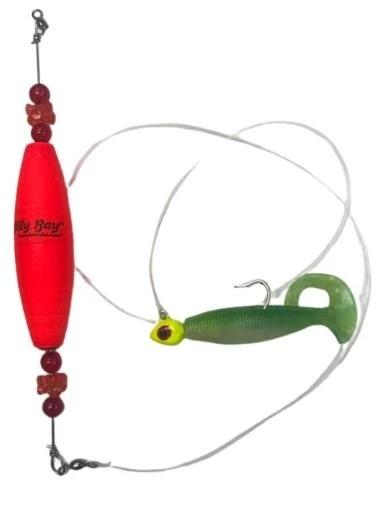
Popping corks are a popular and effective tool for shallow-water trout fishing.
They combine sound, movement, and a suspended bait presentation.
Why Popping Corks Work
The cork creates surface disturbance that may resemble feeding activity.
The lure suspended underneath represents an easy meal.
This setup is especially useful over shallow grass because it keeps the bait from constantly sinking into vegetation.
How to Rig a Popping Cork
A common setup is:
-
Main line attached to the popping cork.
-
Fluorocarbon or monofilament leader beneath the cork.
-
Light jighead and soft plastic or appropriate shrimp imitation.
-
Leader length adjusted so the bait stays above the grass or bottom.
For example, in shallow grass, a leader around 18–30 inches may work well, depending on the actual water depth. We offer pre-tied offerings to take out the guess work!
How to Work the Cork
Cast beyond the target.
Give the rod a short, controlled pull so the cork makes a popping sound.
Allow the lure to settle.
Repeat.
Experiment with the timing and intensity.
Sometimes frequent popping draws attention. Other times, longer pauses produce more strikes.
16. Suspending Twitchbaits: A Favorite for Selective Trout
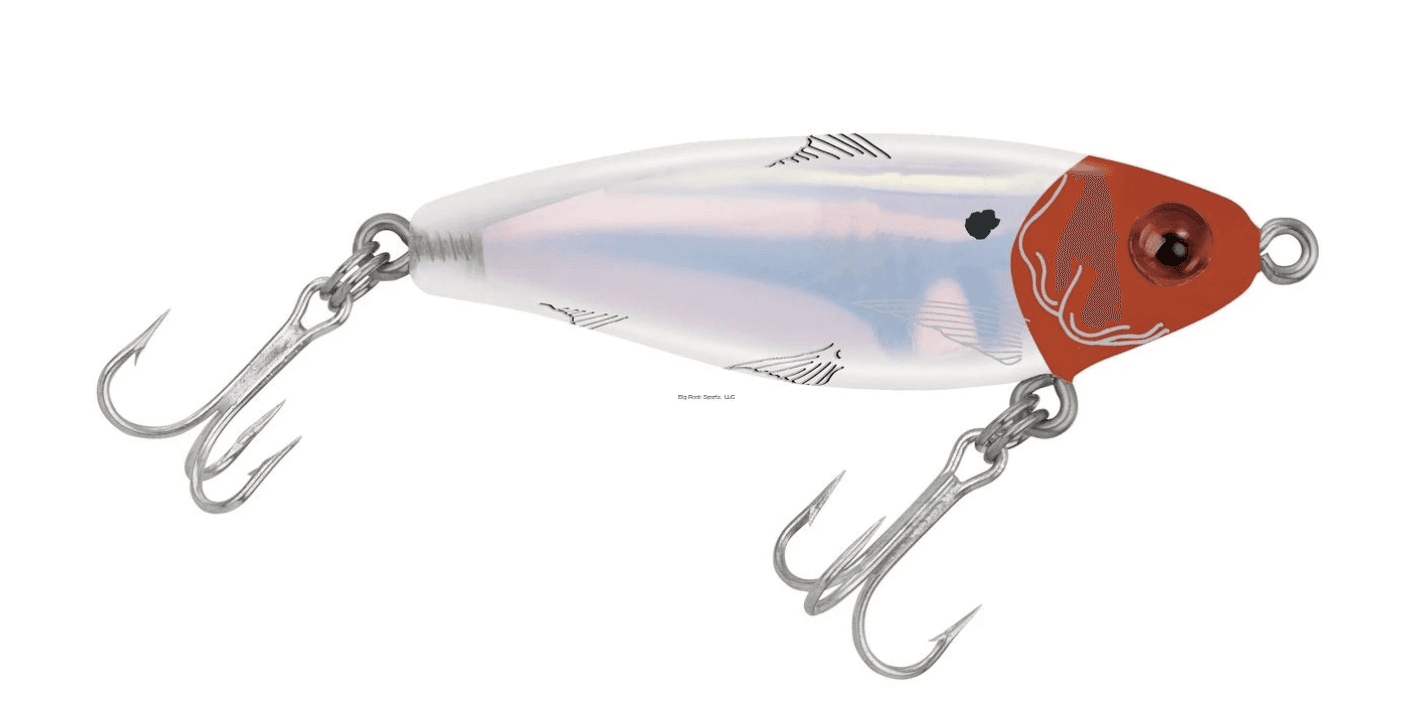
Suspending twitchbaits are particularly useful when trout are focused on baitfish or aren't responding to steadily retrieved soft plastics.
These hard lures are designed to remain near a selected depth during pauses, although actual buoyancy varies with water temperature, salinity, and hardware.
How to Fish a Suspending Twitchbait
Cast across the target area.
Bring the lure down to its working depth, then try:
Twitch — twitch — pause.
Repeat with different pause lengths.
In colder water, a longer pause may be particularly effective.
Where They Work Best
Use suspending twitchbaits near:
-
Channel edges
-
Grass-to-sand transitions
-
Submerged baitfish schools
-
Deeper shoreline structure
-
Areas where trout have been feeding but won't chase a fast-moving lure
MirrOlure-style suspending baits are among the classic lure choices associated with coastal trout fishing.
Match the diving or suspending depth to the habitat.
17. Topwater Fishing for Speckled Trout
Few trout-fishing experiences compare with watching a speckled trout explode on a surface plug.
Topwater fishing is exciting, visual, and often productive when trout are actively feeding near the surface.
When to Try Topwater
Early morning and evening are excellent starting points.
Low-light conditions, surface bait activity, and suitable water temperatures can all improve your chances.
Topwater can also work during overcast days.
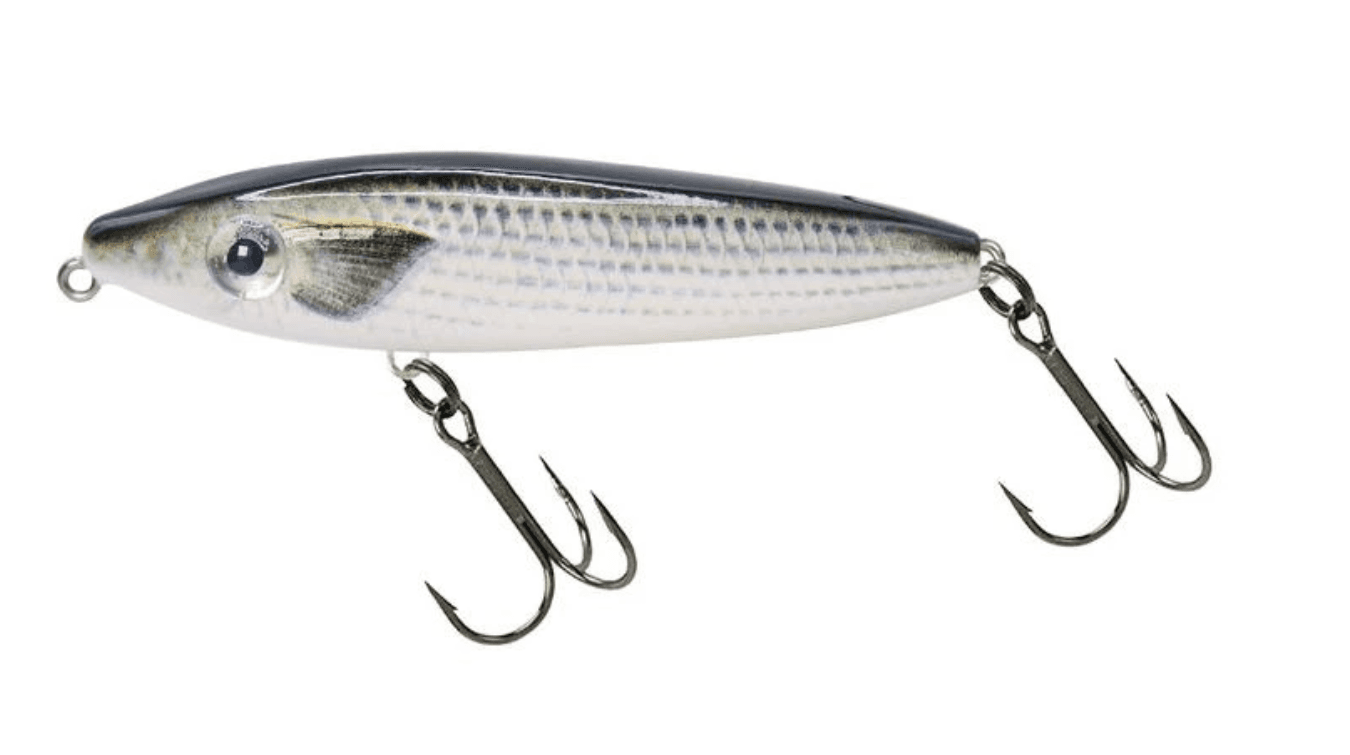
Walk-the-Dog Lures
These plugs move from side to side with a rhythmic retrieve.
The action suggests a struggling or disoriented baitfish.
How to Work a Topwater Plug
Cast beyond the target.
Keep a little slack in your line and rhythmically twitch the rod tip to make the lure walk from side to side.
Experiment with speed.
Don't Set the Hook Too Early
One of the biggest mistakes in topwater trout fishing is jerking immediately when you see a fish strike.
A trout may miss the lure on its first attempt.
Wait until you feel the weight of the fish before firmly lifting into it.
Topwater plugs with treble hooks deserve extra care when landing and releasing fish. Consider replacing unsuitable trebles with properly sized inline single hooks where practical.
18. Using Live Bait for Speckled Trout
Artificial lures aren't your only option.
Live shrimp and small baitfish can be effective where available and legal.
Live Shrimp
Live shrimp can be fished beneath a float or popping cork.
Position the bait at an appropriate depth above grass or other structure.
Use a hook that matches the bait size and allows it to move naturally.
Live Baitfish
Appropriately sized live baitfish may also attract trout.
Always comply with North Carolina rules governing bait collection, possession, and use.
Artificial vs. Live Bait
Both approaches have advantages.
Artificial lures allow you to cover more water and target fish actively.
Live bait can be useful when trout are concentrated or less willing to chase lures.
If you're new to trout fishing, learning to fish soft plastics is a worthwhile skill because it gives you a versatile technique you can use almost anywhere in suitable sound habitat.
19. Essential Trout Fishing Gear Beyond Rods and Reels
A well-prepared trout fisherman needs more than a rod and a box of lures.
Here's what we'd recommend considering before a day on Pamlico Sound.
Waders
Breathable waders can make cool-weather sound fishing more comfortable.
Look for proper fit, sturdy seams, and compatible footwear. Chest waders should be worn with a wading belt.
Landing Nets
A rubber-coated or rubber-mesh landing net is a great addition to your trout setup.
Trout have a protective slime coating, and using a suitable net helps minimize unnecessary contact and handling.
Choose a net appropriately sized for the fish you expect to catch.
Fishing Pliers
Corrosion-resistant fishing pliers are essential for safely removing hooks.
Models with line cutters are especially useful when fishing braided line.
A tether can help prevent lost tools while kayak fishing or wading.
Fish Stringers
A fish stringer may be useful for anglers who are legally keeping trout.
However, stringers should not be used for fish you plan to release.
Warm water can also create fish-quality problems. When practical, a cooler with adequate ice offers better care for retained fish.
Measuring Device
Because North Carolina uses a slot limit for speckled trout, an accurate fish ruler is essential.
Measure fish carefully and release prohibited sizes promptly.
Polarized Sunglasses
Polarized lenses can help you see submerged grass, sandy openings, and other structure.
Tackle Storage
A compact tackle bag or waterproof box helps keep your jigheads, soft plastics, corks, and hard baits organized.
Keep spare leader material and frequently used hooks readily accessible.
Other Useful Accessories
Consider sunscreen, a hat, drinking water, protective footwear, waterproof phone storage, and weather-appropriate clothing.
Boat and kayak anglers should carry the required safety and signaling equipment.
20. Three Complete Trout Fishing Setups
Not everyone needs the same equipment.
Here are three practical starting setups.
Setup A: Beginner Shore Fishing
Best for: Visitors, families, and first-time trout anglers.
-
7' medium-light or medium spinning rod
-
2500–3000 spinning reel
-
10 lb braid
-
15 lb leader
-
3-inch paddle-tail soft plastics
-
1/8 oz jigheads
-
A small selection of popping corks
-
Pliers, measuring ruler, and suitable landing net
This setup is easy to learn and versatile enough for several Pamlico Sound species.
Setup B: Serious Wade or Kayak Fishing
Best for: Anglers who want to cover water and use multiple techniques.
-
7' to 7'6" sensitive spinning rod
-
Quality 2500–3000 spinning reel
-
10–15 lb braid
-
15–20 lb leader
-
Paddle tails and jerk shads
-
Shrimp imitations
-
Multiple jighead weights
-
Popping corks
-
Suspending twitchbait
-
Topwater plug
-
Wading or kayak safety gear
This is an excellent all-around soundside setup.
Setup C: Dedicated Artificial-Lure Trout Fishing
Best for: Experienced anglers who want presentation-specific options.
Rod one: Medium-light spinning rod for finesse soft plastics.
Rod two: Medium-power spinning rod for popping corks and selected larger artificial lures.
Rod three, optional: A suitable rod for twitchbaits and topwater plugs, matched to lure weight and hook style.
Having multiple rods rigged lets you change techniques quickly without repeatedly tying knots.
That can be useful when trout are feeding for a short period.
21. Common Trout Fishing Mistakes
Fishing Only One Spot
Trout move.
If there's no bait, suitable habitat, or feeding activity, consider exploring.
Using Too Much Jighead Weight
A heavy jighead can ruin a shallow-water presentation.
Match weight to conditions.
Fishing Too Fast in Cold Water
Trout may respond better to slower retrieves and longer pauses when temperatures drop.
Ignoring Water Clarity
Try adjusting lure profile, action, and vibration when visibility changes.
Walking Through Fish-Holding Water
Before wading out, fish the water close to shore.
Setting the Hook Too Aggressively
Trout can shake free or suffer mouth damage from unnecessarily hard hooksets.
Ignoring Wind and Water Levels
Water movement can change where bait and trout concentrate.
Focusing Only on Lure Color
Depth, retrieve speed, bait presence, and lure size often matter just as much—or more.
22. Local Hatteras Island Fishing Charters That Target Speckled Trout
If you're visiting the Outer Banks and want to learn more about trout fishing, booking a local inshore charter can be a worthwhile investment.
A knowledgeable captain can help you understand the relationship between grass beds, bait movement, wind, and trout behavior.
Unlike an offshore Gulf Stream trip, inshore charters generally focus on shallower waters of Pamlico Sound and nearby coastal areas.
The exact species targeted depends on the season, weather, regulations, and recent fishing conditions.
Speck-Tackler Inshore Charters — Hatteras Village
Captain Rick Scarborough
Phone: (252) 995-4679
Website: https://www.speck-tackler-hatteras-charters.com/
Speck-Tackler operates out of the Hatteras Village area and specializes in light-tackle inshore fishing.
Captain Rick offers trips for species including speckled trout, red drum, bluefish, and other seasonal inshore fish.
This is a strong option for anglers who want to focus on local sound fishing and learn from a longtime Hatteras guide.
Tightlinez Charters — Avon
Captain Sam Bell
Phone: (252) 305-4137
Website: https://www.tightlinezcharters.com/
Tightlinez is a convenient option for visitors staying in Avon.
The operation offers fishing trips targeting seasonal Pamlico Sound species, including speckled trout, red drum, and bluefish.
It's worth contacting Captain Sam to discuss current conditions and whether a dedicated trout trip is appropriate during your visit.
Easy Going Charters — Avon
Captain Frank Hopkins
Phone: (252) 489-6958
Easy Going Charters is another Avon-area option offering inshore and soundside fishing.
Ask about trout availability and the approach best suited to your experience level.
A guided trip can be particularly valuable for families or visitors who aren't familiar with Pamlico Sound navigation.
Before booking: Tell the captain you specifically want to target speckled trout rather than simply requesting a general inshore trip. Ask whether trout have been active, whether the trip is focused on artificial lures or bait, and which species might be substituted if conditions don't favor trout.
Charter operators, availability, trip types, and departure locations can change, so confirm arrangements directly before booking.
23. Speckled Trout Fishing Regulations in North Carolina
Regulations are an essential part of responsible fishing.
As of October 2026, the recreational spotted seatrout regulations for North Carolina coastal and joint fishing waters include:
-
Daily bag limit: Three fish per person
-
Slot limit: 14 to 20 inches
-
Trophy exception: One fish over 26 inches may be retained within the three-fish limit
-
Protected size range: Fish greater than 20 inches through 26 inches may not be retained
These rules are subject to change by proclamation, particularly following cold-stun events.
Mandatory Harvest Reporting
North Carolina requires recreational fishermen to report speckled trout they catch and keep.
The reporting requirement took effect December 1, 2025.
Reports generally must be submitted at the completion of the fishing trip using the state's reporting system. Released fish do not need to be reported.
Visit the North Carolina Mandatory Harvest Reporting page for instructions.
Fishing Licenses
Anglers age 16 and older generally need an appropriate North Carolina Coastal Recreational Fishing License to fish recreationally in coastal waters unless an exemption applies.
Some properly licensed charter operations provide fishing-license coverage for passengers.
Always confirm with your captain.
Important: Check the latest N.C. Division of Marine Fisheries regulations before fishing or keeping trout. Posted blog information is educational and does not replace current official rules.
24. Catch-and-Release Tips for Speckled Trout
Speckled trout are valuable recreational fish and important members of the coastal ecosystem.
Good release practices can help reduce unnecessary mortality.
-
Use tackle appropriate for the fish you're targeting.
-
Bring the fish to hand efficiently.
-
Keep fish in the water when possible.
-
Use a rubber-coated landing net.
-
Wet your hands before touching fish.
-
Avoid excessive pressure on the body.
-
Support larger fish horizontally.
-
Remove hooks promptly with suitable pliers.
-
Minimize air exposure.
-
Release fish gently once they have regained control.
Avoid holding trout by the gills.
Consider using single hooks instead of treble hooks where appropriate, especially when targeting fish for release.
During periods of unusually warm or cold water, take extra care to minimize stress.
25. Planning Your First Pamlico Sound Trout Fishing Trip
If you're new to trout fishing, you don't need to make the process complicated.
Here's a straightforward approach.
Before the Trip
Check the weather, wind forecast, water conditions, fishing regulations, and public access status.
Read the latest Frank & Fran's Hatteras Island Fishing Report.
Choose an accessible location with suitable conditions.
The Night Before
Rig your spinning rod with braid and an appropriate leader.
Organize a few paddle tails, jigheads, shrimp imitations, and a popping cork.
Charge your phone and prepare your safety equipment.
At the Water
Start by observing.
Identify grass, channels, bait, and any surface activity.
Make several casts before moving into the water.
Your First Hour
Begin with a paddle tail on a light jighead.
Cover different angles and vary your retrieve.
If fish are feeding high in the water column, try a popping cork.
If you observe surface strikes, consider topwater.
If you find trout but they're reluctant to bite, try a slower soft plastic or suspending lure.
After the Trip
Think about what you learned.
Which areas held bait?
Where did you get strikes?
What was the wind doing?
Which retrieve worked?
Keeping track of these details will help you develop your own understanding of trout behavior.
Share your photos with Frank & Fran's via email at fishpics@hatteras-island.com and be part of our fishing report.
26. Frequently Asked Questions About Pamlico Sound Speckled Trout Fishing
What is the best time of year to catch speckled trout on Hatteras Island?
Spring and fall are popular periods for targeting trout, while summer can also provide fishing opportunities, especially during low-light periods. Winter fishing depends heavily on water temperatures, weather, and current harvest regulations.
Can you catch speckled trout from shore in Pamlico Sound?
Yes. Shore fishing and wading are viable techniques in suitable areas. Focus on submerged grass, sandy holes, channel edges, and concentrations of bait rather than choosing a location based only on convenient parking.
Where can I fish for trout near Avon, NC?
Public soundside access areas around Avon, including designated National Park Service soundside ramps, offer starting points for exploring Pamlico Sound. Check access status and water conditions before heading out.
What is the best lure for speckled trout in Pamlico Sound?
A 3- to 4-inch paddle-tail or curly tail soft plastic on a properly weighted jighead is one of the most versatile starting choices. Popping corks, artificial shrimp, suspending twitchbaits, and topwater plugs are also valuable.
What color soft plastic is best for speckled trout?
Pearl, white, silver, chartreuse-accented, and natural baitfish colors are good starting choices. Water clarity, available prey, and lure presentation can be more important than any single color.
What size rod should I use for speckled trout?
A 7' to 7'6" medium-light or medium spinning rod is a versatile choice. Longer rods can help shore and wade fishermen, while some kayak fishermen prefer shorter rods.
What size spinning reel should I use?
A 2500- or 3000-size spinning reel works well for many trout applications. Pair it with approximately 10–15 lb braided line and an appropriate leader.
Can I catch trout with a popping cork?
Absolutely. Popping corks can be effective over shallow grass, particularly when paired with a shrimp imitation or soft plastic.
Can I catch speckled trout in winter?
Yes, when conditions and applicable regulations allow. Trout may concentrate in protected creek systems and deeper holes, but severe cold can cause fish mortality and trigger harvest closures.
Why does a cold stun affect trout fishing?
Cold-stun events can kill substantial numbers of trout, including mature spawning fish. That can reduce local abundance and affect future fishing opportunities.
Do I need a boat to catch trout?
No. Hatteras Island offers shore and wade-fishing opportunities. A kayak or boat increases access to additional habitat but isn't essential.
Do I need a fishing license?
Anglers age 16 and older generally need an appropriate North Carolina fishing license for recreational coastal fishing unless exempt. Check licensing requirements and current regulations before your trip.
Are speckled trout and gray trout the same fish?
No. Speckled trout are spotted seatrout, while gray trout are weakfish. They are separate species with different regulations.
Can I keep speckled trout in North Carolina?
Keeping trout depends on the current season, size and bag limits, and any temporary closures. North Carolina also requires reporting of recreationally harvested trout.
Can I hire a charter to target speckled trout?
Yes. Several Hatteras Island inshore fishing charters target speckled trout when seasonal conditions allow. Contact your captain in advance and explain that trout are your preferred species.
27. Let Frank & Fran's Help You Get Ready for Trout Fishing
You don't have to figure everything out on your own.
Whether you're planning your first Hatteras Island vacation, trying to catch trout from shore in Avon, or upgrading your soundside fishing equipment, the crew at Frank & Fran's Bait & Tackle is here to help.
We're more than a place to buy a rod or a bag of soft plastics.
We're a family-owned Hatteras Island tackle shop that's been serving fishermen since 1988.
We understand that the right tackle is only part of the equation. Knowing where to look, what conditions to consider, and how to present your lure can be just as important.
Stop by and tell us:
-
Where you're staying on Hatteras Island
-
Whether you're fishing from shore, wading, kayaking, or boating
-
What rod and reel you're using
-
What species you're hoping to catch
-
Whether you're new to fishing or already experienced
We'll help you narrow down your tackle choices and prepare for the fishing conditions.
Shop Trout Fishing Gear In-Store or Online
At Frank & Fran's, you'll find fishing rods, spinning reels, artificial lures, soft plastics, jigheads, popping corks, fishing pliers, nets, waders, tackle storage, and other equipment for your next adventure.
Can't make it to Avon?
We ship fishing gear nationwide, so you can stock up on the tackle you need wherever you live.
Explore more of our fishing guides:
Frank & Fran's Bait & Tackle — Avon, North Carolina
Official OBX Fishing & Island Outfitters Since 1988
Proven. Not Promised.
#hookedonfandf
Editorial note: Fishing conditions, fish populations, public access, charter offerings, and regulations can change. This guide is intended to help anglers make informed decisions and should always be used alongside current weather forecasts and official fishing regulations.