
Pamlico Sound Fishing Guide: Species, Gear, and Access Points from Hatteras Island
Posted by Heather James on 3rd Aug 2026
Shore, kayak, or boat: Learn where to fish, what species to target & which gear and lures get results in the Pamlico Sound!
When the Atlantic Ocean gets rough on Hatteras Island, don't assume your fishing day is over. Just behind the dunes is an entirely different fishery: the Pamlico Sound.
The Pamlico Sound is a huge, shallow estuarine system protected from the Atlantic by the Outer Banks. Its grass beds, sandy flats, channels and shoreline structure create habitat for everything from speckled trout and puppy drum to bluefish, croaker and flounder.
For Hatteras Island anglers, the biggest advantage is accessibility. You don't necessarily need a boat. Depending on conditions and location, you can fish the sound by wading, kayak, small boat or directly from shore.
Here's how to get started.
What Can You Catch in the Pamlico Sound?
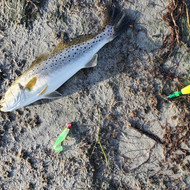
Speckled Trout
Speckled trout are one of the sound's signature gamefish.
Look for them around:
- Grass edges
- Drop-offs
- Channel edges
- Sandy potholes surrounded by grass
- Areas holding shrimp or small baitfish
Soft plastics on jigheads are a staple. Popping corks can be excellent when you need to attract fish from a larger area, and suspending twitchbaits are worth carrying when trout are feeding on baitfish.
Low-light periods are often a good starting point, especially early morning and evening.
Red Drum and Puppy Drum
The shallow Pamlico Sound is also important habitat for red drum.
Puppy drum can be caught around:
- Grass flats
- Sandbars
- Creek mouths
- Drop-offs
- Channel edges
- Areas where bait is concentrated
Soft plastic paddle tails, shrimp imitations and popping corks are excellent search baits.
Fresh or cut mullet can also produce when you want to slow down and fish bait.
Bluefish
Bluefish regularly move through the sound and can provide fast action when schools find bait.
Metal lures, soft plastics, plugs and bait rigs can all work.
If blues are actively feeding, don't spend too much time in one place. Cover water and watch for bait activity, birds, splashes or surface feeding.
Croaker, Spot and Other Bottom Fish
For families and beginners, don't overlook simple bottom fishing.
A basic bottom rig baited with shrimp, squid or other natural bait can produce croaker, spot and other smaller soundside species.
It's an easy way to get kids into fishing without making the setup complicated.
Best Tackle for Pamlico Sound Fishing
You generally don't need heavy surf tackle in the sound.
A versatile setup is:
- 7- to 8-foot medium-light or medium spinning rod
- 2500- to 4000-size spinning reel
- Light braided line
- Fluorocarbon or mono leader
- A selection of jigheads
- Soft plastics
- Popping corks
- A few hard baits or topwaters
The goal is a setup light enough to cast small lures accurately but strong enough to handle a good puppy drum.
Best Lures for Pamlico Sound Fishing
If we were building one soundside tackle box, we'd start with these:
Soft Plastics on Jigheads
This is the workhorse setup.
Carry a mix of:
- Paddle tails
- Shrimp imitations
- Curly tails
- Jerk shads
Change jighead weight based on water depth, wind and current. Use enough weight to maintain control without making the presentation unnecessarily heavy.
Popping Corks
A popping cork paired with a jighead and soft plastic is one of the easiest ways to target trout and drum.
The cork creates noise and surface disturbance while keeping your bait suspended above grass and bottom structure.
Suspending Twitchbaits
When trout are keyed on baitfish, a suspending twitchbait can be deadly.
Work it with short twitches followed by pauses. The pause is often when the strike comes.
Topwater Lures
Early mornings and calm evenings are great times to experiment with topwater.
Walk-the-dog style plugs can draw explosive strikes from trout and drum in shallow water.
Where to Fish
Don't just walk to the water and start casting randomly.
Look for differences in the bottom.
Good soundside areas often include:
- Grass lines
- Cuts through grass
- Sandbars
- Drop-offs
- Creek mouths
- Channels
- Changes from sand to grass
- Concentrations of bait
A subtle depth change can make a huge difference in shallow water.
Hatteras Island has several public soundside access areas, including locations around Salvo, Avon, Buxton and Hatteras Village.
Wade Fishing the Pamlico Sound
One of the best things about sound fishing is that many areas are shallow enough to wade.
But shallow does not mean uniform.
You may be standing in knee-deep water while a channel or cut nearby drops noticeably deeper.
That deeper edge is exactly the kind of feature that can hold fish.
Wear shoes that protect your feet, move slowly and pay attention to changing bottom depth.
When Should You Fish the Sound?
Early morning and evening are obvious starting points, but moving water and bait activity matter more than the clock alone.
Watch:
- Wind
- Water movement
- Current
- Bait
- Birds
- Surface activity
The important question isn't simply, "Where should I fish?"
It's:
What are today's conditions, and where will those conditions concentrate bait and feeding fish?
Check Current Regulations Before You Fish
North Carolina fishing regulations can change by species and season. Anglers age 16 and older generally need a Coastal Recreational Fishing License to recreationally take finfish in coastal fishing waters.
Always check current North Carolina regulations before keeping fish.
Stop at Frank & Fran's Fishing Store in Avon Before Heading Soundside
If you're not sure what to throw, stop at Frank & Fran's in Avon before heading out.
Tell us:
- Where you're staying
- Whether you're wading, kayaking or fishing from shore
- What species you want to catch
- What the wind is doing
We'll help you narrow down the lure, jighead, popping cork or bait setup for the conditions.
And always check our latest Hatteras Island Fishing Report before heading out.
The ocean isn't the only place to catch fish on Hatteras Island. Sometimes the best move is simply to turn around and fish the other side of the island.