Speckled Trout Fishing on Hatteras Island: Fall Patterns and Where to Catch Them
Posted by Heather James on 19th Oct 2026
Speckled Trout Fishing on Hatteras Island: Fall Patterns and Where to Catch Them
Fall is speckled trout season on Hatteras Island. When the water starts to cool, when the summer crowds thin out, when big drum are still a month away, there is one species that quietly turns on and gives light-tackle anglers some of their best days of the year. Specks move into shallow water. They feed aggressively. And a well-presented soft plastic or popping cork rig can produce fish after fish.
If you fish Hatteras Island in September, October, or into November, speckled trout should be on your list. This guide walks through why fall is prime time for specks, where to find them, what gear and bait work, and how to put more trout in the cooler this season.
Why Fall Is the Best Speckled Trout Season
Speckled trout respond to water temperature more than almost any other local gamefish. As summer heat fades and water temps drop from the 80s into the 70s and 60s, specks move into predictable patterns:
- They feed more aggressively, packing on calories before winter
- They push into shallow grass flats, creek mouths, and marsh edges
- They school up in bigger numbers, making a good day a great one
- They become more willing to hit artificial lures and topwater
Peak speckled trout action on Hatteras Island typically runs from mid-September through November. Weather and water temperature move the exact timing year to year, so check the daily Frank & Fran's fishing report for the current bite.
Understanding Speckled Trout
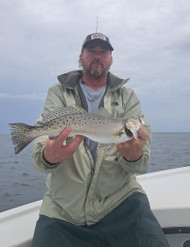
Speckled trout, also called spotted sea trout or specks, are one of the most popular inshore species on the East Coast. They look striking: silvery sides, a greenish-gray back, and the dark spots that give them their name. On Hatteras Island, specks typically run from 12 to 20 inches, though gator trout over 24 inches show up every fall and keep anglers coming back year after year.
What specks eat:
- Shrimp (year-round primary forage)
- Small baitfish like glass minnows, finger mullet, and silversides
- Mud minnows and killifish
- Small crabs in shallow water
The feeding windows that matter most to anglers:
- Dawn and dusk, especially in warm weather
- Overcast days, which specks love
- Moving tides, especially rising water pushing bait into the shallows
- The hour before and after a tide change
Where to Find Speckled Trout on Hatteras Island
Specks live in different water than you'd find bull drum or Spanish mackerel. The sound side, inlet mouths, and protected creeks hold the fish. Here is where to look.
Pamlico Sound Grass Flats
The sound side of Hatteras Island is one of the best speckled trout fisheries in North Carolina. Grass flats hold shrimp and small baitfish, and trout cruise the edges hunting them.
Productive stretches include:
- Rodanthe, Waves, and Salvo flats
- Avon soundside grass beds
- Buxton toward the Buxton Woods shoreline
- Frisco and Hatteras Village backwaters
The Pamlico Sound fishing guide covers access points, species, and tactics in more detail.
Creek Mouths and Marsh Edges
Where a creek dumps into the sound, bait concentrates and trout feed. Specks sit at the mouths of creeks, especially on a falling tide when water flushes shrimp and baitfish out of the marsh.
Inlet Edges
Hatteras Inlet and the water around it holds trout through the fall. Current, bait, and depth changes come together in one spot. Boat anglers do best here, but shore access from Hatteras Village beaches can produce when fish are tight to the beach.
Soundside Docks and Structure
Private docks, piers, and bulkheads give specks cover and ambush points. Fish structure at first light and last light for the best shot.
Surf-Side Troughs in Fall
As cold fronts push through and bait pulls out of the sound, specks will move into the ocean side. Troughs close to the beach and the slough behind the first sandbar can hold fish, especially in Buxton and Frisco. Not a primary pattern, but worth a shot when the sound is slow.
Gear for Speckled Trout
Specks are a light-tackle species. Finesse presentations outproduce heavy gear almost every time.
Rods and Reels
A 7' to 7'6" medium-light to medium action spinning rod is the sweet spot for most speckled trout fishing. Fast action helps with sensitive hooksets and better lure control. Pair it with a 2500 to 4000 size spinning reel.
Local options:
- 7' Ninja Tackle Dagger. Purpose-built for inshore and light-tackle fishing. Accuracy, feel, and the right rating for soft plastics and finesse presentations.
- Cashion Rods Made in NC for anglers who want to cover more water from the shoreline or wade farther from the beach.
Browse the full rod selection for additional options.
Line and Leader
10 to 15 lb braid mainline with a 20 to 30 lb fluorocarbon leader is the inshore standard. Braid gives you the sensitivity to feel soft trout bites. Fluorocarbon disappears in clear sound water. Browse the line and leader selection for mono, braid, and fluoro options.
Jigheads and Soft Plastics
The workhorse presentation for specks. A soft plastic on a jighead covers water, imitates shrimp or baitfish, and gets eaten.
Local picks:
- Z-Man Texas Eye Jigheads. Weedless design that excels around marsh grass, oyster beds, and shoreline cover. Articulating hook gives soft plastics a natural swimming action.
- Strike King Speckled Trout Magic Jighead. Built specifically for trout, with a baitfish-style head and realistic 3D eyes. Great platform for shrimp imitations and paddle tails.
- Z-Man Soft Plastics - we love these because they produce and they are tough!
Pair with soft plastic shrimp imitations, paddle tails, and curly tails from the full artificial bait selection.
Popping Corks
One of the deadliest speckled trout tactics on Hatteras Island. The cork makes a chugging, popping sound that mimics feeding fish. Suspended below the cork, a jighead with a soft plastic or a live shrimp sits in the strike zone.
- Four Horsemen Popping Cork. A Pamlico Sound favorite for red drum and specks.
- Browse the full popping cork selection for additional options.
Hard Baits for Cooler Weather
As water temperatures drop, suspending twitchbaits become one of the most effective speckled trout tools on the island. They imitate wounded baitfish and trigger reaction strikes from inactive fish.
- MirrOlure 17MR MirrOdine Suspending Twitchbait. The gold standard for specks across the Gulf and Southeast coasts. Erratic darting action, realistic baitfish profile, and internal rattles that call fish in.
- MirrOlure C17MR MirrOdine Chameleon Series. Same proven action with a color-shifting finish that performs in varying light.
Tactics That Catch More Specks
Fish the first and last hour of light. Specks feed hardest at dawn and dusk. Setting up before sunrise or staying through sunset dramatically improves your odds.
Work the tide. Moving water pushes bait, and specks hunt the current. The first hour of a rising tide and the last hour of a falling tide produce the most consistent action.
Vary your retrieve. Twitch-and-pause works more often than a steady retrieve. Specks follow a soft plastic a long way before committing. Pauses often trigger the strike.
Pop the cork, then wait. The pause after a sharp pop is when most trout eat the bait suspended underneath. Don't rush it.
Downsize when it's slow. Smaller jigheads, lighter leader, and smaller plastics will out-produce heavier gear on tough days.
Move until you find them. Specks school. If you cover 100 yards of shoreline and don't get a bite, move. When you find one trout, you've probably found twenty.
Watch the birds. Diving terns and gulls over shallow water usually mean specks are pushing bait. Head that way.
Weather and Water Conditions
Specks are sensitive to weather. A few patterns worth knowing:
- Cold fronts can shut down the sound bite for 24 to 48 hours as the water drops suddenly. The second or third day after a front often produces excellent action.
- Overcast days keep specks active in the shallows longer. Trout fishing on gray days is often better than on bright, sunny ones.
- Light wind keeps the water calm and lets specks see presentations clearly. Hard wind pushes specks into protected pockets and makes casting tough.
- Clear water is normal for most of the sound, but after a hard storm, murky water pushes specks tight to grass edges where they can ambush bait.
Browse the daily fishing report for current conditions and the latest from the beach and the sound.
Speckled Trout Regulations (as of October 2026)
North Carolina speckled trout regulations shift based on stock assessments. Current rules (confirm with NC Marine Fisheries before you fish):
- Minimum size: 14 inches
- Bag limit: 4 fish per person per day
- Season: Open year-round under current regulations
Specks are a prized food fish. Handle them carefully if you plan to release, and ice them quickly if you plan to keep.
Stop In Before You Head Out
Frank & Fran's has been outfitting Hatteras Island anglers since 1988, and speckled trout are one of the most-asked-about species in the shop every fall. The staff fishes the sound and the surf regularly through trout season. They know which flats are producing, which jigheads and soft plastics are working, and where the gator trout are showing up each week.
Stop into the Avon shop for soft plastics, popping corks, MirrOlures, light-tackle rods, and a quick rundown of where to launch and what's biting. Browse the full surf and inshore tackle selection online if you want to stock up before your trip.
Fall is the best speckled trout season on Hatteras Island. Clear water, cooler air, aggressive fish, and the kind of quiet mornings that make inshore fishing worth getting up for. See you on the sound.