
Night Fishing on Hatteras Island: Fall Drum, Safety, and What to Bring
Posted by Heather James on 19th Oct 2026
Night Fishing on Hatteras Island: Fall Drum, Safety, and What to Bring
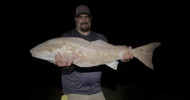
Most of the biggest red drum caught on Hatteras Island every fall are caught at night. The sun goes down, the beach quiets, the parking lots thin out, and the serious drum anglers settle in. For the next six or eight hours, with glow sticks on the rod tips and the sound of the surf doing most of the talking, they wait for the bite that defines a trip.
Night fishing on Hatteras Island is one of the most rewarding experiences on the coast. It is also one of the most unforgiving if you show up unprepared. Dark beach. Cold wind. Heavy gear. Big fish. This guide walks through why night fishing matters here, what to bring, how to stay safe, and how to put yourself in position for the fish of the season.
Why Night Fishing Produces the Biggest Fall Drum
Red drum, especially the big fish that make the fall run famous, are more active after dark. A few reasons:
- Cooler water temperatures at night pull big drum closer to shore
- Darkness gives drum the cover they need to hunt in shallower water
- Baitfish and crabs move more actively on dropping light
- Less boat and foot traffic means less disturbance in the strike zone
- Peak feeding windows for citation-class drum often fall between sunset and midnight
The fall drum run on Hatteras Island peaks in October and November. Day fishing produces plenty of fish. But if you want a real shot at a 40-plus-inch drum, you fish at night. The regulars know it. The citation photos in our daily fishing reports prove it.
When to Fish After Dark
The strongest night fishing windows on Hatteras Island:
- Last hour before sunset through the first two hours of full dark. Prime time for drum staging to feed.
- The hour on either side of high tide, especially when it falls between sunset and midnight.
- New moon periods, when bait is less visible to predators and drum move more aggressively.
- The 24 to 48 hours after a cold front, when the water drops and fish fire up.
Check the daily Frank & Fran's fishing report for current activity and tide windows that line up with low light.
What You Need to Fish at Night
Night fishing takes everything daytime fishing takes, plus a few things you absolutely cannot leave behind. If you forget them, you will have a miserable night and you will not catch fish.
Lighting
The single most important category of night fishing gear.
- Headlamp. The core piece. A quality headlamp with a red light setting preserves your night vision and keeps your eyes adjusted for watching the surf. The Nebo Transcend 1500 Lumen Headlamp is a serious option with multiple light modes.
- Rod tip lights or glow sticks. Lets you watch the rod tip for a bite without a headlamp blasting the beach. The Promar GS-130-3 Light Glow Stick and Eagle Claw AGLSTK3 Light Stick are simple, effective, and inexpensive.
- Reel illuminator. The Reel Glo Reel Illuminator clips onto the rod and shines a blacklight on your reel for hands-free retie and rig work. Keeps the headlamp off and your night vision intact.
- Backup light. Always carry a spare. Batteries die, headlamps break, and getting back to the truck in total darkness without one is dangerous.
Browse the full headlamps and rod tip lights selection for options.
Sand Spikes and Rod Holders
You need to secure every rod. Fish grabbing a rod that is not in a spike have pulled gear into the ocean more than once.
- Fish-N-Mate 266 Anodized Sand Spike. Durable 50-inch anodized aluminum, integrated foot push, and nylon reel cap. The standard for serious drum fishing.
- Fish-N-Mate 99 Super Sand Spike with Tape Measure. Includes a built-in 36-inch tape measure, essential for citation and slot measurements at night.
- Deerfield Open Face 2.0 Sand Spike. Open-face design that gives you faster rod access when a drum takes.
Two or three sand spikes per angler covers most night sessions.
Rods, Reels, and Rigs
Night drum fishing uses the same heavy gear as day drum fishing. A refresher:
- 12' or 13' heaver, spinning or conventional, rated for 4 to 12 oz
- 6000 to 10000 size spinning reel or a matched conventional
- 20 to 30 lb mono or 50 lb braid with a heavy fluorocarbon shock leader
- F&F Circle Hook Drum Slider Rig. The standard fall drum rig, now even more critical in the dark when you can't retie quickly.
- Sinker Guy Sputnik Sinkers in 8 oz for anchoring bait in fall surf
Pre-tied rigs matter more at night than during the day. Tying knots in the dark with cold hands is slow and error-prone. Stock up before you go.
Browse the full surf rod selection and rig selection to prep.
Bait
The classic fall drum lineup, all available at Frank & Fran's:
- Fresh mullet (head or chunks). The most reliable fall drum bait on Hatteras Island.
- Fresh spot when they are running
- Bunker (menhaden) cut chunks
- Tuna Belly aka drum candy! Fish with it and you will learn why we call it that!
Stop into the shop for fresh bait before heading out. Grab a backup of frozen bait in case you need to re-bait late and the shop is closed.
Beach Setup
- A beach cart. Non-negotiable for carrying heavy gear across soft sand in the dark.
- A large cooler with plenty of ice for bait and the catch.
- A good knife, cutting board, and a cleaning towel. Fresh cut bait is hard to beat.
- Pliers, hook remover, and tape measure.
- A chair. Night drum fishing involves a lot of waiting.
- Trash bag. Pack it in, pack it out.
Clothing and Comfort
- Layers. Beach temps drop fast after sunset. Even in September, the wind off the ocean at 2 AM is colder than you expect.
- Waterproof jacket and pants. Wet from spray or rain, you are miserable the rest of the night.
- Hat and gloves for cold nights.
- Dry change of clothes in the truck in case something soaks you.
- Food and water. More than you think you need. A night session can turn into eight or ten hours.
Safety on the Beach at Night
Night fishing is safe when you prepare for it. Rushed or careless, it is one of the most dangerous things an angler can do. A few serious safety rules.
Never Fish Alone If You Can Avoid It
Partner up or at least let someone know your exact plan. If something goes wrong (a rip current, a bad fall, a medical issue), being alone on a dark beach is a serious problem.
Don't Wade in Deep Water Wearing Waders
Waders can quickly fill up with water and hold you down in the rough surf. Don't wade out in deep water wearing your waders.
Watch the Tide
Rising tides at night sneak up on you. Set gear well above the expected high tide line. Check the tide chart before you set up and know when the water is coming back.
Beach Driving Rules
Night driving on Cape Hatteras National Seashore beaches requires a valid ORV permit. Current National Park Service rules on night driving shift seasonally (sea turtle nesting restrictions affect late summer especially). Confirm current rules at the ramp or with NPS before driving at night. Details on permits are available at Hatteras Island Info.
Driving on a dark beach:
- Keep headlights on and tires aired down
- Stick to the established corridor between the high-tide line and the dunes
- Speed limit is 15 mph day or night. It's enforced.
- Watch for anglers, pedestrians, and other vehicles
Weather Awareness
Nor'easters, thunderstorms, and sudden wind shifts can turn a quiet beach dangerous fast. Check the forecast before you go. If the wind picks up or lightning starts, pack up and leave.
Wildlife Awareness
- Sharks are more active at night. Not a reason to stay off the beach, but a reason to not wade past your knees in the dark.
- Nesting bird and turtle areas are strictly off-limits. Night-time access rules are enforced.
- Keep food and bait secured. Opossums, raccoons, and feral cats work the beach after dark.
Personal Safety
- Carry a charged phone with you, not in the truck
- Tell someone your plan and expected return
- Have a basic first-aid kit in the truck
- Know where the nearest ramp exit is in case you need to leave in a hurry
Tactics That Catch Fish After Dark
Set up before sunset. Walk your beach in the last light. Note the slough, the bar, the cuts. Position your sand spikes before you lose daylight.
Keep lights off when possible. Red light preserves night vision. White headlamp beams blow out your eyes and sometimes spook fish holding tight to the beach.
Watch the rod tip, not the surf. With glow sticks on the tips, strikes are easier to see than you'd think.
Keep bait fresh. Nighttime fish prefer fresh scent. Re-bait every 20 to 30 minutes if you're not getting hit.
Fish the moving water. Same as daytime. Tide changes are the best windows.
Be patient. Night drum fishing is slow until it isn't. You might sit three hours and then catch two citation fish in twenty minutes. Stay ready.
Where to Fish at Night on Hatteras Island
The best night spots during the fall drum run:
Cape Point (Buxton)
The marquee location. Access via Ramps 43, 44, and 49. Night fishing from the Point during the fall drum run is where most of the big fish are landed. Expect company, even in the middle of the night during peak run weeks.
Ramp 55 (Hatteras Village)
Southern Hatteras Island access with less pressure than the Point. Produces big drum through the fall.
Avon Beaches
Close to the shop, with easy access and consistent fish. Great for anglers who want a shorter drive and the ability to stop in for fresh bait on the way out.
Rodanthe, Waves, and Salvo
The tri-village beaches produce fall drum consistently, often with shorter walks from the ramps and smaller crowds than the Point.
Stop In Before You Head Out
Frank & Fran's has been outfitting Hatteras Island night fishermen since 1988. The staff fishes nights through the fall run and knows what's producing, where, and when. Stop into the Avon shop for pre-tied rigs, fresh bait, glow sticks, backup headlamps, and the kind of local knowledge that saves you a cold wasted night.
Night fishing on Hatteras Island is a tradition for a reason. The water quiets, the stars show up, the beach belongs to the people willing to stay for it, and the biggest drum of the year will eat your bait sometime between 10 PM and 2 AM. Get prepared, stay safe, and go fish the right way.
See you on the beach after dark.