
How to Catch Red Drum in Pamlico Sound from Hatteras Island
Posted by Heather James on 24th Sep 2026
How to Catch Red Drum in Pamlico Sound from Hatteras Island
The ocean is rough, the wind is howling, and the drum rods are still coming out. During a Nor’easter, Pamlico Sound can give Hatteras Island anglers another place to try when fishing the ocean beach isn’t practical. From the soundside shore, you can cover water with a topwater lure at first light, fish a popping cork through the day, and set out fresh mullet as evening approaches.
The key is to adjust to the conditions you actually find. A Nor’easter can make the sound rough, too, and wind can push water into or away from a shoreline. Check the weather, water level, and access before you go.
Access update, September 24, 2026: Cape Hatteras National Seashore reported that all off-road vehicle ramps were closed as of 12:15 p.m. because of hazardous driving conditions and the risk of vehicles becoming stranded at high tide. Before fishing near any ramp, check the National Park Service’s current access and conditions page. Fish only where access is open and conditions are safe.
Where to Look for Soundside Red Drum
When access allows, soundside areas near Ramps 53, 54, and 60 are places we recommend trying for drum from shore. Other accessible ramps are worth a shot as well. You don’t need to commit the whole day to the first place you stop: look at the water, make a few casts, and move if you aren’t seeing signs of life.
As you walk a shoreline, pay attention to changes you can see from land:
- Grass edges: Work your lure alongside the edge instead of casting blindly into the grass.
- Shallow bars and nearby deeper water: Fish can move along the change in depth as water shifts.
- Bait movement: Small fish scattering or bait dimpling the surface gives you a place to start.
- Water clarity: If one stretch is especially muddy, another accessible shoreline may fish better.
You don’t always need to cast as far as you can. Make a short cast along the bank first, then work progressively farther out. That approach also helps you learn where the grass, shallow spots, and drop-offs are before you put a bait on the bottom.
First Light: Start with Topwater
Early morning is our time to try a topwater lure. It lets you cover a stretch of shoreline and gives you a chance at one of the best bites in sound fishing: seeing a red drum come up behind your lure.
Two topwater choices on our website are the Rapala Saltwater Skitter Walk and the Heddon Super Spook Jr.. Both are listed for red drum, and the smaller Super Spook Jr. is an option when you want a compact lure.
Cast along a likely edge and work the lure with short rod-tip twitches. Try a steady rhythm, then add a pause. If a fish swirls or misses, keep your composure and let the lure stay in the area. Give that stretch a few more casts before moving on.
Topwater is most useful when you can work the lure effectively and see what’s happening around it. If the surface gets too choppy to follow your lure, switch to a presentation you can control beneath the surface.
During the Day: Fish a Popping Cork
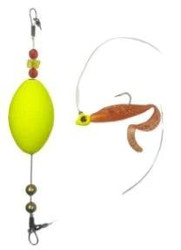
Once the early topwater bite slows, a popping cork, jighead, and soft plastic is our go-to daytime soundside setup. The cork makes noise at the surface while keeping your lure suspended below it. That makes it useful for covering grass edges and water where you don’t want a jig dragging continuously on the bottom.
Here are specific options we carry online:
- Four Horsemen Tackle Popping Cork — a cork we list specifically for inshore fishing, including Pamlico Sound.
- Billy Bay 776 Brass Weighted Popping Cork — a weighted option for making longer casts.
- Z-Man Redfish Eye Jighead — a jighead option for building the lure portion of the rig.
- Z-Man PrawnstarZ 3.5-inch Shrimp — a soft plastic shrimp listed for fishing beneath a popping cork.
- Berkley Gulp Saltwater Shrimp — another shrimp-style soft bait to try under a cork.
**Local Tip - Some of our favorite colors are Bleeding Banana, New Penny, Pearl and Lime Pearl. We prefer Z-Man over Gulp due to their durability as the pinfish tend to pick off the tails of Gulp quickly. Gulp definitely work well but will cost you more money as you have to keep re-baiting!
Set the lure so it rides above the grass or bottom where you’re fishing. Cast beyond the area you want to work, pop the cork, and then pause. Give the lure time to settle beneath it before the next pop. Try a couple of quick pops followed by a longer pause; if you aren’t getting bites, change the pace before changing spots.
Wind can help carry a cork across a stretch of water, but don’t let it race away unchecked. Keep in contact with your line, work the cork deliberately, and recast when it has drifted out of the area you want to fish. If you get a strike, reel down to the fish and come tight.
Evening: Put Fresh Mullet on a Drum Rig
As the light starts to fade, we like to switch to fresh mullet on a drum rig. It’s a straightforward way to fish from the soundside shore while you watch the evening water.
Our Frank & Fran’s Circle Hook Drum Slider Rig is hand-tied by our crew and sold in hook sizes from 4/0 through 10/0. Match the hook and bait size to the drum you’re targeting. The rig uses a sinker slide, letting you choose a sinker that holds your bait where you want it.
For smaller fish, try a modest piece of fresh finger mullet. If you’re targeting a larger drum, a bigger mullet chunk or head is another option. Our fresh mullet guide walks through the different cuts and rigs we use for finger, cob, and horse mullet.
Start with enough sinker to hold bottom without using more weight than you need. Make your first cast at a comfortable distance, put the rod in a secure holder, and check that your drag is set. Fresh bait should stay cold, and the cooler should stay drained so the mullet isn’t sitting in water.
**Local Tip - you will need bug spray on the sound side in the evening! We have Skeeter Beater and locally made Adios Moskitos!
What to Bring for a Full Day
You can cover all three approaches without packing every piece of tackle you own. A useful soundside drum bag would include:
- A topwater lure for first light, such as a Skitter Walk or Super Spook Jr.
- A popping cork setup with a jighead and a few Z-Man or Gulp soft plastics for daytime fishing.
- Circle hook drum slider rigs, several sinker sizes, and fresh mullet for evening.
- Pliers, a measuring tool, a secure rod holder, and a cooler for handling fish and keeping bait in good condition.
If you have only a couple of hours, match your tackle to the time you’ll fish. At daybreak, start with topwater and keep a cork rig handy. In the middle of the day, spend your time covering likely water with the cork. Near sunset, bring fresh mullet and be ready to fish the bottom.
Handle and Release Drum with Care
Support a red drum under its belly if you lift it for a photo, keep the picture quick, and return a fish you’re releasing to the water promptly. Before keeping any fish, check North Carolina’s current recreational size and bag limits. North Carolina also requires recreational anglers to report a harvested red drum.
Stop in Before You Head to the Sound
When the ocean is too rough, there may still be an opportunity to catch drum on the soundside once you’ve confirmed safe, open access. Stop by Frank & Fran’s Bait & Tackle in Avon, NC, and tell us where and when you plan to fish. We can help you put together a topwater, popping cork, or fresh mullet setup and share what we’ve been hearing from anglers.
Browse the linked products above, check our daily Hatteras Island fishing report, or call us at (252) 995-4171. We’ve been helping locals and visitors get ready to fish Hatteras Island since 1988.