Getting Ready for the Fall Drum Run: A Hatteras Island Prep Guide
Posted by Frank & Fran's Crew on 1st Sep 2026
Getting Ready for the Fall Drum Run: A Hatteras Island Prep Guide
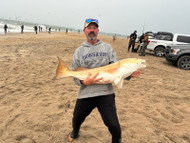
The fall red drum run on Hatteras Island is the biggest event on the Outer Banks fishing calendar. Anglers plan a full year for it. Trucks come from every state on the coast. Cape Point fills up, the beaches from Rodanthe to Hatteras Village produce citation fish, and for a few weeks in October and November, the whole island runs on drum time.
If you want a real shot at a citation-class red drum this fall, the work starts now. Rods need to be checked. Reels need service. Rigs need to be tied. Bait needs to be planned. Showing up unprepared to a fall drum run is the fastest way to watch someone else land the fish of the season while you're re-spooling on the beach.
This guide walks through what to check, what to buy, and what to have ready before the run hits.
When the Fall Drum Run Hits
The fall red drum run on Hatteras Island typically runs from late September through early December, with peak action in October and November. Timing shifts year to year with water temperature, wind patterns, and bait movement.
Signs the run is on:
- Water temperatures dropping from the mid-70s into the 60s
- Nor'easters pushing bait and stirring the surf
- Big schools of mullet and bunker running the beach
- Anglers spotting large drum from the piers
- Migratory birds starting to show along the beach
Locals watch these signs the way weather forecasters watch storm systems. When the water hits the right temperature and the bait shows up, the beach lights up. Check the daily fishing report through September for early updates on when the run starts moving.
Gear Check: What to Inspect Before the Run
The tackle you used for summer pompano is not the tackle for fall drum. Bigger fish. Heavier currents. Stronger wind. Bigger bait. Everything needs to be checked and upgraded where needed.
Rods
Fall drum are strong fish. Bull drum in the 40+ inch class pull hard, run long, and hold in current that tests your gear. Most Hatteras Island anglers fish either a 12' or 13' heaver (spinning or conventional) for fall drum.
Check your existing rods for:
- Guide inspection. Look for cracked ceramic inserts and worn wraps. A damaged guide will shred braid on a long fight.
- Reel seat function. Threads should move cleanly. Corrosion here is common after a season of use.
- Rod tip inspection. Tip damage kills casting distance and creates weak spots.
- Blank cracks or hazing. Rare but critical. A stressed blank will fail under load.
If you need to upgrade, options at Frank & Fran's include:
- Ninja Tackle 13'3" Dagger Bomber. Distance, backbone, and control for serious surf conditions.
- Nick's Custom Rods CTS 1305 Conventional. 13' hand-built conventional for anglers who prefer long-distance conventional casting.
- Nick's Custom Rods CTS 1205 Spinning. 12' custom spinning rod rated 6-10 oz.
Browse the full surf rod selection if you want more options in different price ranges.
Reels
Big drum need bigger reels. A 6000 to 10000 size spinning reel is the sweet spot for most anglers. Conventional reels work well for anglers who prefer conventional gear.
Proven options among local anglers include the Penn Battle, Daiwa BG, and Quantum Benchmark for spinning setups. Penn Fathom, Penn Squall, Akios F-16 are the most popular conventional reels for drum fishing. Whatever you fish, do this before the run:
- Have your reel serviced. If it hasn't been cleaned since spring, get the gears cleaned and re-greased. Sand and salt destroy reels.
- Check the drag. Take it out, wet it, and test it with a scale if you can. Drums that feel sticky or grind through the range will lose you fish.
- Inspect the bail spring. A weak bail spring will misfire on the fight of a lifetime.
- Re-spool with fresh line. Old mono breaks down. Old braid frays. Fresh line is cheap insurance.
Line
For fall drum, 20 monofilament with a 40 or 50 lb shock leader is the standard. Sufix Tritanium and Berkley ProSpec Monofilament handles the abrasion and shock of Hatteras Island surf conditions well. A shock leader helps absorb the shock of casting a large sinker and helps pull the big drum out of the surf quickly so you can snap a pic and quickly release the fish.
Full fishing line and leader selection is available online.
Rigs to Have Ready
The drum slider rig (fish finder rig) with a circle hook is the standard fall drum setup. The circle hook is required by North Carolina regulation when fishing natural bait for red drum, and it hooks the fish in the corner of the mouth for safer catch and release.
- F&F Circle Hook Drum Slider Rig (2 Pack). Frank & Fran's house drum rig, built for Hatteras Island conditions.
Have a few backups. Bluefish will bite off drum rigs during a run. Sharks will do the same. Don't get caught with only one rig when the run is on.
For anglers who want a broader kit that covers multiple species, the Frank & Fran's Essential Surf Fishing Rig Kit bundles the local favorites in a single package.
Browse the full rig selection for drum, shark, and other specialty rigs.
Sinkers That Hold in Fall Surf
Fall surf is angry surf. Nor'easters, high tides, and strong currents move standard pyramid sinkers around. You need sinkers that lock into the sand.
Sinker Guy Sputnik Sinkers are the local go-to. The wire arms dig in and anchor the bait. Fall drum anglers usually carry 6, 8, and 10 oz sputniks to match conditions. However, if you are fishing the “conga line” at Cape Point for big drum, you should stick to using an 8 oz pyramid or frog tongue sinker so that your line drifts at the same rate as other anglers.
Bait Plan
The best fall drum bait is fresh bait. Options that consistently produce:
- Cut mullet. heads and body chunks. The most reliable option through the run.
- Cut spot. deadly for big drum when spot are running.
- Bunker (menhaden). oily, bloody, and irresistible to big drum.
- Tuna belly. a specialty bait that big drum key on when they're refusing other offerings.
- Blue crab. usually a half or quarter crab, hooked through the shell.
Frank & Fran's stocks fresh bait daily, and frozen bait when fresh runs low. During the fall run, bait moves fast. Stop in early to make sure you get what you need.
The Beach Setup
Fall drum fishing is often a long day on the beach. A well-organized setup makes it manageable.
Essential gear:
- Sand spikes rated for big rods and big fish. Two or three per angler.
- A beach cart for hauling rods, tackle, bait, and a cooler across soft sand. Non-negotiable for Cape Point trips if you are not driving out.
- A large cooler with plenty of ice for keeping bait fresh and your catch cool.
- A quality bait knife and cutting board for cutting cut bait fresh on the beach.
- Pliers, a hook remover, and a de-hooking tool for handling fish.
- A tape measure and camera for citation photos and length recording.
- A headlamp with fresh batteries for early morning and evening sessions.
For ORV Beach Driving
If you plan to drive to Cape Point or other national seashore beaches, you need:
- A valid Cape Hatteras National Seashore ORV permit (buy online through Recreation.gov: $50 for 10 days or $120 annual)
- Shovel, tow strap, jack, and low-pressure tire gauge
- A game plan for tire deflation at the ramp (about 20 PSI)
Check Hatteras Island Info for permit and license resources.
Licenses and Regulations
Anyone 16 or older needs a North Carolina Coastal Recreational Fishing License (CRFL) to fish from any Outer Banks beach. Frank & Fran's is an official North Carolina license center, so you can get your CRFL right at the shop in Avon.
Red drum regulations (as of the current NC Marine Fisheries rules):
- Slot limit: 18 to 27 inches total length
- Bag limit: 1 fish per person per day
- Circle hooks required when fishing natural bait
Regulations shift. Always confirm current rules with NC Marine Fisheries before you fish, or ask at the shop.
Where to Fish the Fall Run
The fall drum run happens up and down Hatteras Island, but a few spots stand out:
Cape Point (Buxton)
The marquee spot. Where the Labrador Current meets the Gulf Stream. Trucks line up at 4 AM in November for a slot on the bar. Access via Ramps 43, 44, and 49.
Ramp 55 (Hatteras Village)
Southern access with less pressure than Cape Point and consistent fall action for big drum.
Avon Beaches
Direct beach access close to the shop. Good for anglers who don't want to make the drive to the Point every day.
Rodanthe, Waves, and Salvo
The tri-village beaches see strong fall drum action, and the walks from the ramps are shorter. Family-friendly compared to the Point's crowds.
Cape Hatteras Point (South of Buxton to Frisco)
Frisco beaches see less traffic and consistent fall drum. Access via Ramp 49.
Timeline: Your Prep Schedule
If the run peaks in October and November, here's the timeline to work backward from:
8-10 weeks before the run (July-August)
- Inspect rods and reels
- Send reels for service if needed
- Order any new gear you need before shipping windows tighten
4-6 weeks before the run (September)
- Re-spool with fresh line
- Stock rigs, sinkers, and terminal tackle
- Confirm your ORV permit and NC fishing license
- Start watching the fishing report for early signs of the run
1-2 weeks before the run (Late September / early October)
- Buy backup rigs, spare hooks, and extra sinkers
- Plan your bait strategy
- Book beach access ramps if you're staying nearby
- Get your beach cart, cooler, and truck gear organized
Week of (When the run hits)
- Stop in the shop for the current bite report, fresh bait and ice
- Fish the tides, respect the beach, and stay ready to move
Or, if you are a procrastinator, make a mad dash into Frank & Fran's and we have rigged and ready drum fishing combos ready to hit the beach and land the big one!
Stop In Before the Run
Frank & Fran's has been outfitting Hatteras Island drum anglers since 1988. During the fall run, the shop is one of the busiest places on the island. Bait comes in fresh daily, the rig wall is fully stocked, and the staff fishes the beaches themselves through the whole run.
Stop into the Avon shop for rigs, bait, sputnik sinkers, and current insight before your trip. The staff can help you match your gear to what's biting, what the beach looks like, and where the drum are showing up.
The fall run is the reason a lot of anglers come to Hatteras Island in the first place. Get your gear right, get your rigs stocked, and get your permit sorted now. When the run hits, you want to be fishing. Not shopping.